


 NEXT EPISODE IN 10
 NEXT EPISODE IN 10


 Switch back to video
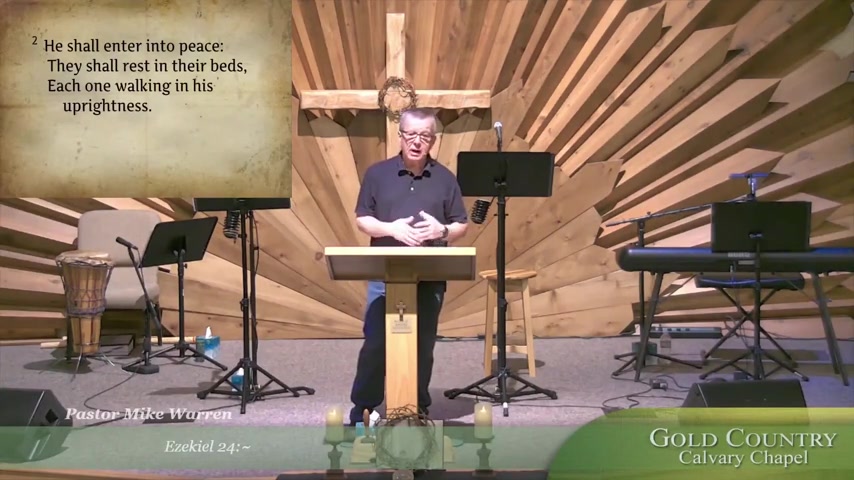
Going through Ezekiel 24, where God time‑stamps the final Babylonian siege of Jerusalem and likens the city to a filthy cooking pot: the “choice” people who assumed they were untouchable become the meat, their bones fuel the fire, and their blood and rebellion are exposed on the rock, showing what happens when God’s warnings about idolatry and moral collapse are ignored. From there, chapter 25 turns outward—God begins judging surrounding nations like Ammon who mocked and tried to exploit Israel during her discipline—revealing that while He may let His own people “cook” in their rebellion to bring them to repentance, His indignation and ultimate destruction are reserved for unrepentant enemies, even as He promises to remove and protect the righteous before final judgment falls.

Ezekiel 23: When God Finally Gives Us Over to What We Desire
9/23/2026
Ezekiel 21–22: A Father Who Corrects His Children but Destroys Their Enemy
9/20/2026
Ezekiel 20–21: When God’s Discipline Removes Our Crown but Not Our Hope
9/16/2026
Ezekiel 20: When Idols Block Our Prayers but God Still Promises Restoration
9/13/2026
Ezekiel 20–21: Idols, Discipline, and the God Whose Wrath Fell on Christ
9/9/2026Ezekiel 19–20: When God Laments Our Failure but Still Pursues Our Hearts
9/6/2026
In this free PDF downloadable resource from In the Word and Gold Country Calvary Chapel, you'll learn what the word Eschatology means and why being equipped with knowledge about the last days is so crucial for Christians.
In this free PDF downloadable resource from In the Word and Gold Country Calvary Chapel, you'll learn what the word Eschatology means and why being equipped with knowledge about the last days is so crucial for Christians.

